Category: Lung & Respiratory Health
Reading Time: ~7 minutes
Published by: Yarima.org Health Team
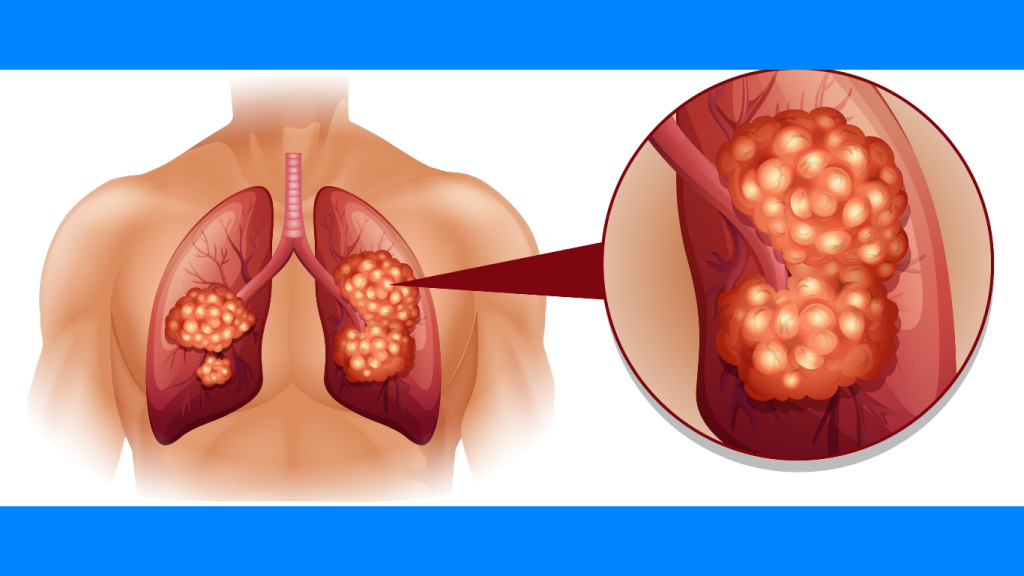
Lung cancer is one of the most common and serious cancers worldwide. What makes it especially dangerous is that symptoms often appear late, when the disease is already advanced. Understanding the early warning signs, major causes, and supportive lifestyle strategies can help people take action sooner and improve overall lung health.
This article focuses on awareness, prevention, and supportive management, not medical treatment replacement.
🫁 What Is Lung Cancer?
Lung cancer occurs when abnormal cells grow uncontrollably in the lungs. These abnormal cells can interfere with normal breathing, oxygen exchange, and spread to other parts of the body if left untreated.
There are two main types:
- Non-small cell lung cancer (NSCLC) – more common and slower growing
- Small cell lung cancer (SCLC) – more aggressive and faster spreading
⚠️ Common Symptoms of Lung Cancer
Symptoms can be subtle at first and may be mistaken for common respiratory problems.
Early or Common Symptoms
- Persistent cough that doesn’t go away
- Chest pain that worsens with deep breathing or coughing
- Shortness of breath
- Fatigue or weakness
- Unexplained weight loss
- Frequent respiratory infections (bronchitis or pneumonia)
Advanced Symptoms
- Coughing up blood
- Hoarseness
- Wheezing
- Swelling in the face or neck
- Bone pain or headaches (if cancer spreads)
⚠️ Important: Any persistent respiratory symptom lasting more than a few weeks should be evaluated by a healthcare professional.
🚬 Major Causes and Risk Factors
1. Smoking
- The leading cause of lung cancer
- Includes cigarettes, cigars, and pipe smoking
- Secondhand smoke also increases risk
2. Environmental Exposure
- Air pollution
- Radon gas
- Asbestos and industrial chemicals
3. Occupational Hazards
- Long-term exposure to dust, fumes, or toxic substances
4. Genetics & Health History
- Family history of lung cancer
- Previous radiation therapy to the chest
🥗 Supporting Lung Health Through Diet
While diet cannot cure lung cancer, it can support immune function, reduce inflammation, and help the body cope better.
Lung-Supportive Foods
- Leafy greens (spinach, kale): rich in antioxidants
- Cruciferous vegetables (broccoli, cauliflower): support detox pathways
- Berries: reduce oxidative stress
- Garlic & onions: anti-inflammatory properties
- Fatty fish (salmon, sardines): omega-3s support immune balance
- Green tea: contains protective plant compounds
💧 Staying well hydrated helps thin mucus and support lung clearance.
Lifestyle Strategies That Matter
Stop Smoking
Quitting smoking at any stage lowers risk and improves lung function over time.
Improve Air Quality
- Avoid polluted environments when possible
- Use air purifiers indoors
- Ensure proper ventilation
Stay Physically Active
- Walking and light aerobic exercise support lung capacity
- Movement improves circulation and oxygen delivery
Manage Inflammation
- Reduce ultra-processed foods and excess sugar
- Prioritize sleep and stress management
Regular Health Checkups
- High-risk individuals may benefit from screening programs
- Early detection saves lives
💬 When to Seek Medical Care
Seek immediate medical attention if you experience:
- Persistent cough with blood
- Sudden shortness of breath
- Chest pain
- Rapid, unexplained weight loss
Early diagnosis significantly improves treatment outcomes.
🌿 Key Takeaway
Lung cancer often develops silently, making awareness critical. While smoking remains the primary risk factor, environmental exposure, lifestyle habits, and nutrition all play a role in lung health.
Protecting your lungs starts with:
- Clean air
- Healthy food
- Active living
- Early medical attention when symptoms arise
Your lungs work nonstop to keep you alive — protecting them is a lifelong investment.
📚 References
- Mayo Clinic – Lung Cancer: Symptoms & Causes
https://www.mayoclinic.org/diseases-conditions/lung-cancer/symptoms-causes/syc-20374620