Category: Eye Health & Metabolic Wellness
Reading Time: ~7 minutes
Published by: Yarima.org Health Team
Diabetes doesn’t only affect blood sugar — over time, it can silently damage your eyes and lead to vision loss. One of the most serious complications is diabetic retinopathy, a condition that harms the delicate blood vessels in the retina.
The good news? Early awareness, proper management, and healthy lifestyle choices can greatly reduce the risk.
Let’s break it down in a simple, clear way.
What Is Diabetes?
Diabetes is a chronic condition where the body struggles to regulate blood glucose (sugar) levels.
There are three main types:
- Type 1 diabetes: The body produces little or no insulin
- Type 2 diabetes: The body becomes resistant to insulin (most common)
- Gestational diabetes: Develops during pregnancy
When blood sugar stays high for long periods, it damages blood vessels, nerves, and organs — including the eyes.
What Is Diabetic Retinopathy?
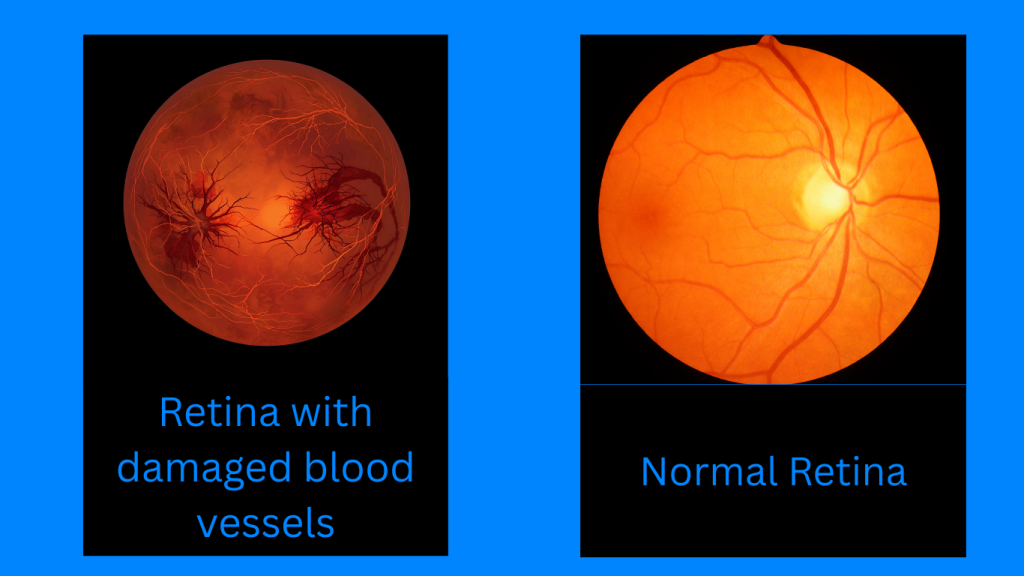
Diabetic retinopathy is an eye disease caused by damage to the small blood vessels in the retina, the light-sensitive tissue at the back of the eye.
High blood sugar weakens these vessels, causing them to:
- Leak fluid or blood
- Become blocked
- Grow abnormally
Over time, this disrupts vision and can lead to blindness if untreated.
How Diabetes Damages the Eyes
Chronically high glucose levels cause:
- Inflammation of retinal blood vessels
- Reduced oxygen supply to eye tissues
- Fluid buildup in the retina (macular edema)
- Formation of fragile new blood vessels that bleed easily
This damage often happens slowly and without pain, which is why regular eye exams are critical.
Stages of Diabetic Retinopathy
1. Early (Non-Proliferative) Retinopathy
- Small retinal blood vessels weaken
- Tiny leaks may occur
- Often no noticeable symptoms
2. Advanced (Proliferative) Retinopathy
- New abnormal blood vessels grow
- Higher risk of bleeding, scarring, and retinal detachment
- Can cause severe vision loss
Common Symptoms to Watch For
Diabetic retinopathy may be silent at first, but symptoms can include:
- Blurry or fluctuating vision
- Dark spots or floaters
- Difficulty seeing at night
- Faded or distorted colors
- Sudden vision loss (medical emergency)
⚠️ Never wait for symptoms — damage can occur before vision changes are noticeable.
Who Is Most at Risk?
Risk increases with:
- Poor blood sugar control
- Long duration of diabetes
- High blood pressure
- High cholesterol
- Smoking
- Pregnancy with diabetes
The longer someone has diabetes, the higher the risk.
How to Prevent or Slow Diabetic Retinopathy
🩺 1. Control Blood Sugar
Keeping glucose levels within target range is the most important step.
- Avoid frequent glucose spikes
- Balance carbohydrates with protein and fiber
- Eat regular, well-timed meals
🩸 2. Manage Blood Pressure and Cholesterol
High blood pressure worsens eye damage.
- Reduce excess salt and ultra-processed foods
- Increase potassium-rich whole foods
- Follow medical guidance closely
👁️ 3. Get Regular Eye Exams
- Yearly dilated eye exams are essential
- Eye doctors can detect damage before vision is affected
🥗 4. Eat Eye-Supporting Foods
A nutrient-rich diet helps protect blood vessels and reduce inflammation:
- Leafy greens (spinach, kale)
- Fatty fish (omega-3s)
- Berries (antioxidants)
- Nuts and seeds
- Whole grains and legumes
5. Stay Physically Active
Regular movement:
- Improves insulin sensitivity
- Lowers blood sugar
- Supports circulation to the eyes
Even daily walking makes a difference.
🚭 6. Avoid Smoking
Smoking accelerates blood vessel damage and greatly increases vision loss risk.
Can Diabetic Retinopathy Be Treated?
Yes — especially when caught early.
Medical treatments may include:
- Laser therapy
- Eye injections
- Surgery for advanced cases
However, prevention and early management remain the most effective strategy.
Key Takeaway
Diabetic retinopathy is one of the leading causes of vision loss — but it is largely preventable.
By controlling blood sugar, managing blood pressure, eating well, staying active, and getting regular eye exams, people with diabetes can protect their vision and maintain eye health for life.
Your eyes reflect your metabolic health — caring for one protects the other.
📚 References
- National Eye Institute (NIH):
https://www.nei.nih.gov/learn-about-eye-health/eye-conditions-and-diseases/diabetic-retinopathy - National Institute of Diabetes and Digestive and Kidney Diseases (NIDDK):
https://www.niddk.nih.gov/health-information/diabetes/overview/preventing-problems/diabetic-eye-disease - Mayo Clinic:
https://www.mayoclinic.org/diseases-conditions/diabetic-retinopathy/symptoms-causes/syc-20371611