Category: Metabolic Health & Nutrition
Date: December 21, 2025
Published by: Yarima.org Editorial Health Team
Reading Time: ~4 minutes
The Hidden Link Between Blood Sugar, Insulin, and Hydration
Have you ever noticed feeling unusually thirsty after eating white bread, pasta, pastries, or other refined starchy foods?
That reaction is not random — it’s your body responding to rapid changes in blood sugar and fluid balance.
Let’s explore why refined starches can increase thirst and what your body is trying to tell you.
What Are Refined Starches?
Refined starches are carbohydrates that have had most of their fiber and natural nutrients removed. This makes them digest very quickly and behave much like sugar in the body.
Common examples include:
- White bread and white rice
- Pasta made from refined flour
- Cakes, cookies, and pastries
- Crackers, chips, and processed snacks
Because fiber is removed, glucose enters the bloodstream rapidly after eating these foods.
Why Refined Starches Can Make You Thirsty
1. Rapid Blood Sugar Spikes
When refined starches are digested:
- Blood glucose rises quickly
- Insulin is released in large amounts
High blood sugar pulls water from inside your cells into the bloodstream to dilute excess glucose. This cellular dehydration activates thirst signals in the brain.
2. Increased Fluid Loss Through Urine
When blood sugar levels are elevated:
- The kidneys filter more glucose
- Glucose draws water with it into urine
This leads to:
- Increased urination
- Loss of fluids
- A strong drive to drink more water
Persistent thirst is one of the body’s earliest warnings of poor glucose control.
3. Insulin and Electrolyte Shifts
Insulin also affects sodium balance. High insulin levels can alter how sodium and water are retained, which further stimulates thirst mechanisms.
This explains why carb-heavy meals are often followed by:
- Dry mouth
- Increased thirst
- Fatigue or sluggishness
4. Lack of Fiber Worsens Dehydration
Fiber helps:
- Slow digestion
- Stabilize blood sugar
- Retain water in the digestive tract
Refined starches lack fiber, allowing glucose to flood the bloodstream quickly — increasing metabolic stress and dehydration.
Why This Matters for Long-Term Health
Repeated thirst after high-carb meals may signal:
- Frequent blood sugar spikes
- Early insulin resistance
- Increased risk of type 2 diabetes
- Added strain on the kidneys
Over time, this pattern contributes to metabolic imbalance and chronic dehydration at the cellular level.
How to Reduce Carb-Related Thirst
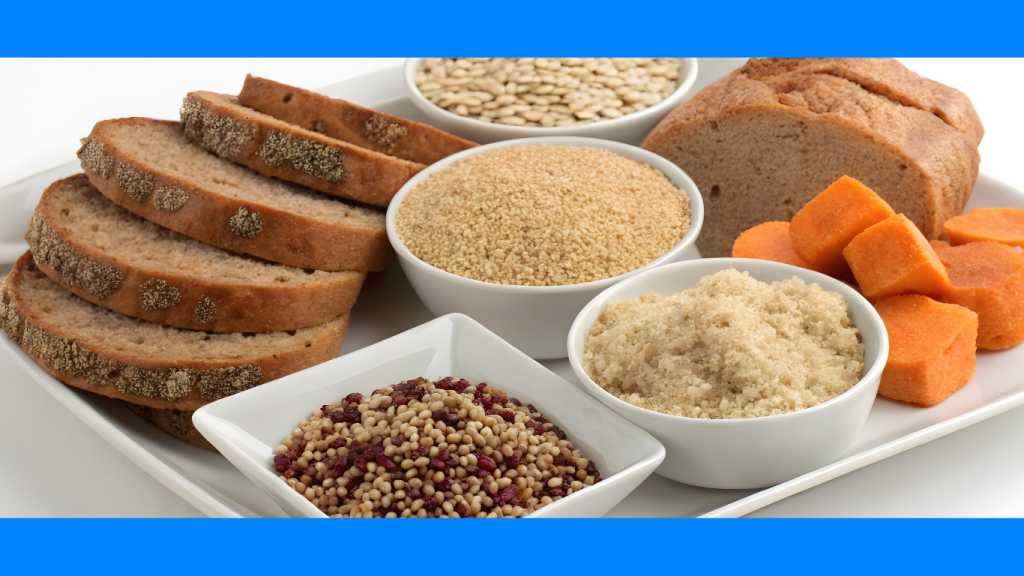
✔ Choose whole carbohydrates (vegetables, legumes, whole grains)
✔ Pair carbs with protein and healthy fats
✔ Increase daily fiber intake
✔ Avoid sugary drinks with starchy meals
✔ Maintain steady hydration throughout the day
Key Takeaway
Feeling thirsty after eating refined starches is your body’s way of signaling blood sugar stress, not just a need for more water.
By choosing fiber-rich, whole foods and balancing meals, you can support healthier glucose control, better hydration, and long-term metabolic wellness.
📚 References
🔗 PubMed – Diabetes Mellitus and Fluid Imbalance (osmotic diuresis & dehydration)
https://pubmed.ncbi.nlm.nih.gov/38932731/ PubMed
🔗 Healthline – High Blood Sugar, Urination & Dehydration
https://www.healthline.com/health/diabetes/diabetes-and-dehydration Healthline
🔗 PubMed – Refined Carbohydrates & Metabolic Dysfunction Review
https://pubmed.ncbi.nlm.nih.gov/41229472/ PubMed