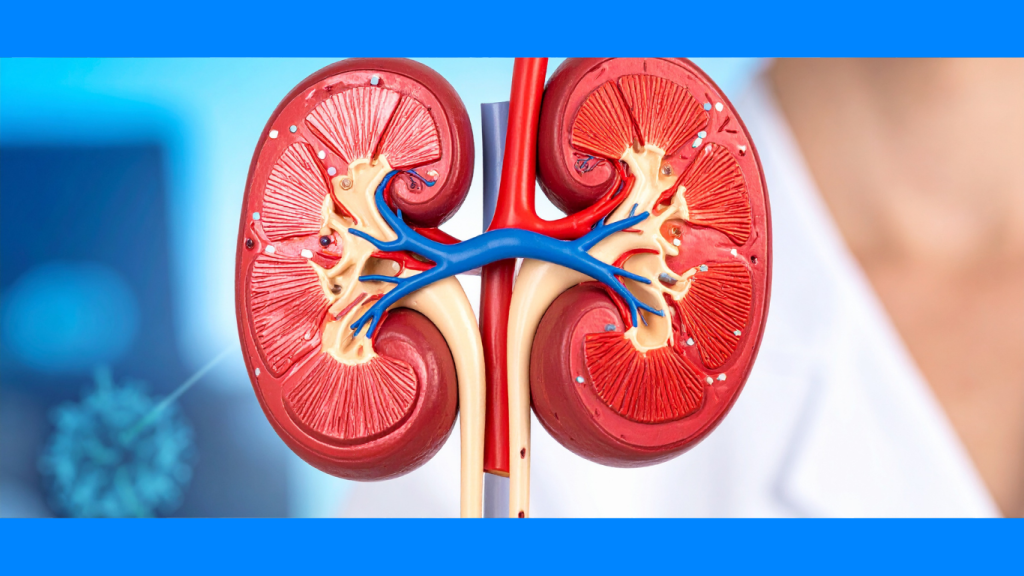
Category: Heart, Kidney & Metabolic Health
Reading Time: ~7 minutes
Published on: December 22, 2025
Published by: Yarima.org Health Team
High blood pressure (hypertension) and kidney health are deeply connected — so much so that each can cause or worsen the other. Many people treat high blood pressure as only a “heart problem,” but in reality, the kidneys play a central role in controlling blood pressure every minute of the day.
When this relationship breaks down, it can lead to chronic kidney disease, heart disease, stroke, and other serious complications. Understanding how the kidneys and blood pressure interact is a powerful step toward prevention and long-term health.
What Do the Kidneys Actually Do?
Your kidneys are more than waste filters. Every day, they:
- Filter excess fluid and waste from the blood
- Regulate sodium and potassium balance
- Control blood volume
- Release hormones that regulate blood pressure
- Help activate vitamin D for bone health
To do this, kidneys require healthy blood flow and stable pressure. When blood pressure is too high, the delicate filtering units inside the kidneys become damaged.
How High Blood Pressure Damages the Kidneys
High blood pressure places constant force on blood vessel walls, including the tiny vessels inside the kidneys (glomeruli). Over time, this pressure causes:
- Narrowed or hardened kidney blood vessels
- Reduced blood flow to kidney tissue
- Scarring of filtering units
- Reduced ability to remove waste and excess fluid
As kidney function declines, fluid and sodium build up in the body — raising blood pressure even more. This creates a dangerous cycle.
How Kidney Disease Raises Blood Pressure
The connection works both ways.
Damaged kidneys lose their ability to regulate blood pressure properly. This happens through several mechanisms:
1. Fluid Retention
When kidneys cannot remove excess fluid, blood volume increases, raising pressure inside blood vessels.
2. Sodium Imbalance
Impaired kidneys struggle to excrete sodium, leading to water retention and higher blood pressure.
3. Hormonal Disruption
Kidneys release renin, a hormone that controls blood pressure. Kidney damage can cause overactivation of the renin-angiotensin-aldosterone system (RAAS), leading to persistent hypertension.
Warning Signs of Kidney-Related High Blood Pressure
Many people feel no symptoms until damage is advanced. When symptoms do appear, they may include:
- Swelling in ankles, feet, or face
- Fatigue and weakness
- Frequent or reduced urination
- Foamy urine (protein loss)
- Headaches
- Shortness of breath
- Difficulty controlling blood pressure despite medication
Who Is at Higher Risk?
You are at increased risk if you have:
- Long-standing high blood pressure
- Diabetes
- Obesity
- High sodium intake
- Family history of kidney disease
- Smoking history
- Chronic dehydration
How to Protect Both Your Kidneys and Blood Pressure
1. Control Blood Pressure Naturally
- Aim for a blood pressure below 130/80 mmHg
- Reduce sodium intake
- Increase potassium-rich whole foods (unless restricted by a doctor)
2. Eat a Kidney-Friendly Diet
- Focus on whole foods
- Reduce refined carbohydrates and sugars
- Limit ultra-processed foods
- Moderate protein intake if kidney function is reduced
3. Stay Hydrated
Proper hydration helps kidneys filter waste efficiently and supports blood pressure balance.
4. Manage Blood Sugar
High blood sugar damages kidney blood vessels and worsens hypertension.
5. Move Daily
Regular physical activity improves blood vessel flexibility and kidney circulation.
6. Avoid Smoking
Smoking accelerates kidney damage and worsens blood pressure control.
Can Kidney Damage Be Reversed?
Early kidney damage can often be slowed or partially improved with lifestyle changes and proper blood pressure control. Advanced kidney disease cannot be reversed, but progression can still be slowed significantly.
The key is early detection through regular blood pressure checks and kidney function tests.
Bottom Line
Your kidneys and blood pressure are in constant communication. When one suffers, the other follows. Protecting kidney health is not optional — it is essential for long-term cardiovascular and metabolic health.
Taking care of your blood pressure today protects your kidneys for life.
📚 References
- National Institute of Diabetes and Digestive and Kidney Diseases (NIDDK)
https://www.niddk.nih.gov/health-information/kidney-disease/high-blood-pressure - Mayo Clinic – High Blood Pressure and Kidney Damage
https://www.mayoclinic.org/diseases-conditions/high-blood-pressure/in-depth/high-blood-pressure/art-20045868