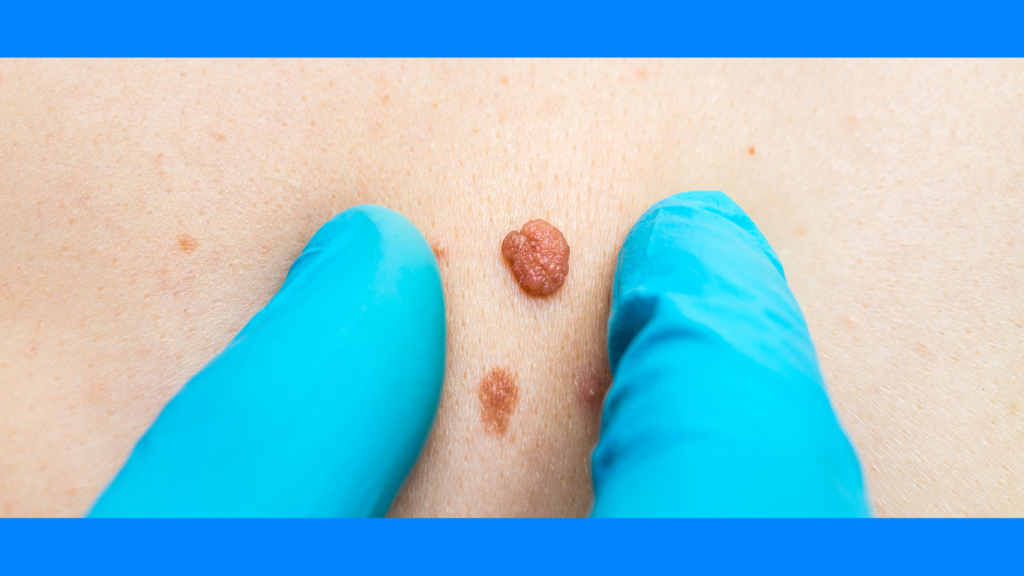
Category: Skin Health & Metabolic Wellness
Reading Time: ~6 minutes
Published: December 24, 2025
Published by: Yarima.org Health Team
Skin tags are very common and usually harmless, yet many people are surprised by how frequently they appear—especially around the neck, armpits, eyelids, and groin. While they are not dangerous, skin tags can sometimes signal underlying metabolic or lifestyle factors worth paying attention to.
Let’s explore what skin tags are, what causes them, and how nutrition and lifestyle changes may help reduce their development.
What Are Skin Tags?
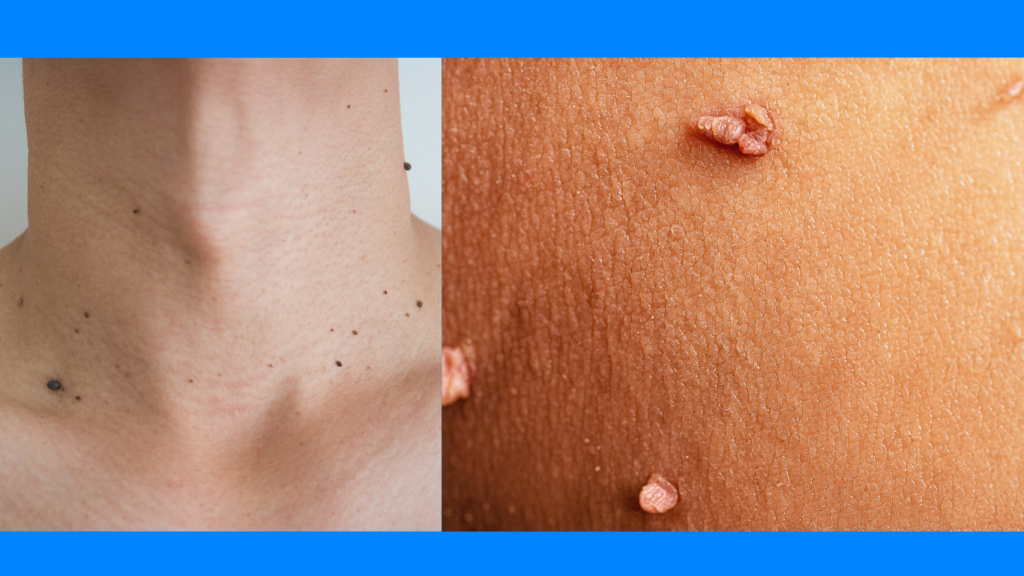
Skin tags, medically known as acrochordons, are small, soft, flesh-colored growths that hang off the skin. They are non-cancerous and typically painless.
They often develop in areas where skin folds or rubs together, such as:
- Neck
- Underarms
- Groin
- Eyelids
- Under the breasts
What Causes Skin Tags?
Skin tags don’t have a single cause, but research and clinical observations suggest several contributing factors.
1. Insulin Resistance & Blood Sugar Imbalance
One of the strongest associations with skin tags is insulin resistance, a condition where cells stop responding properly to insulin.
When insulin levels stay high:
- Cell growth signals increase
- Skin cells may multiply more rapidly
- Small growths like skin tags become more likely
This is why skin tags are more common in people with:
- Prediabetes or type 2 diabetes
- Metabolic syndrome
- Abdominal obesity
2. Friction and Skin Irritation
Constant rubbing of skin against skin or clothing can trigger localized inflammation and tissue overgrowth, especially in warm, moist areas.
3. Hormonal Changes
Skin tags are more common:
- During pregnancy
- With hormonal disorders such as PCOS
- In conditions involving elevated growth factors
Hormones influence how skin cells grow and repair themselves.
4. Genetics and Age
Some people are genetically more prone to developing skin tags. They also tend to appear more frequently with age as skin elasticity and metabolic regulation decline.
The Nutrition Connection
While diet cannot remove existing skin tags, nutrition plays a major role in reducing the conditions that promote their growth.
Focus on Blood Sugar Stability
Reducing frequent blood sugar spikes may help limit new skin tag formation.
Helpful dietary strategies include:
- Limiting refined sugars and white flour
- Avoiding sugary drinks and ultra-processed snacks
- Pairing carbohydrates with protein and healthy fats
- Eating regular, balanced meals
Support Insulin Sensitivity
Foods that support metabolic health include:
- Leafy greens and non-starchy vegetables
- Fiber-rich foods like legumes and seeds
- Healthy fats (olive oil, avocado, nuts)
- Lean proteins (fish, eggs, legumes)
Adequate fiber intake slows glucose absorption and supports insulin function.
Reduce Chronic Inflammation
Low-grade inflammation can promote abnormal tissue growth.
Anti-inflammatory foods include:
- Berries
- Fatty fish
- Turmeric and ginger
- Green tea
Lifestyle Habits That May Help
1. Regular Physical Activity
Movement improves insulin sensitivity and circulation. Even moderate daily activity like walking can make a difference.
2. Weight Management
Excess body fat—especially around the abdomen—is closely linked to insulin resistance and skin tag formation.
3. Skin Care and Friction Reduction
- Keep skin folds clean and dry
- Wear breathable, non-restrictive clothing
- Address areas of repeated rubbing
4. Sleep and Stress Management
Poor sleep and chronic stress raise cortisol levels, which can worsen blood sugar control and inflammation.
Medical Treatment Options
If a skin tag is bothersome, painful, or bleeding, a healthcare provider can safely remove it using:
- Cryotherapy (freezing)
- Cauterization
- Minor surgical removal
Do not attempt to cut or remove skin tags at home, as this may lead to infection or scarring.
When to See a Doctor
Seek medical advice if:
- A growth changes color or size rapidly
- It bleeds without injury
- You’re developing many skin tags suddenly
These may warrant further evaluation.
Key Takeaway
Skin tags are usually harmless, but they can be a visible signal of metabolic stress, insulin resistance, or lifestyle imbalance. Caring for your skin often starts with caring for your metabolism.