Category: Brain & Cardiovascular Health
Date: November 8, 2025
Published by: Yarima.org Editorial Health Team
Reading time: ~3 minutes
🧠 What Is a Stroke?
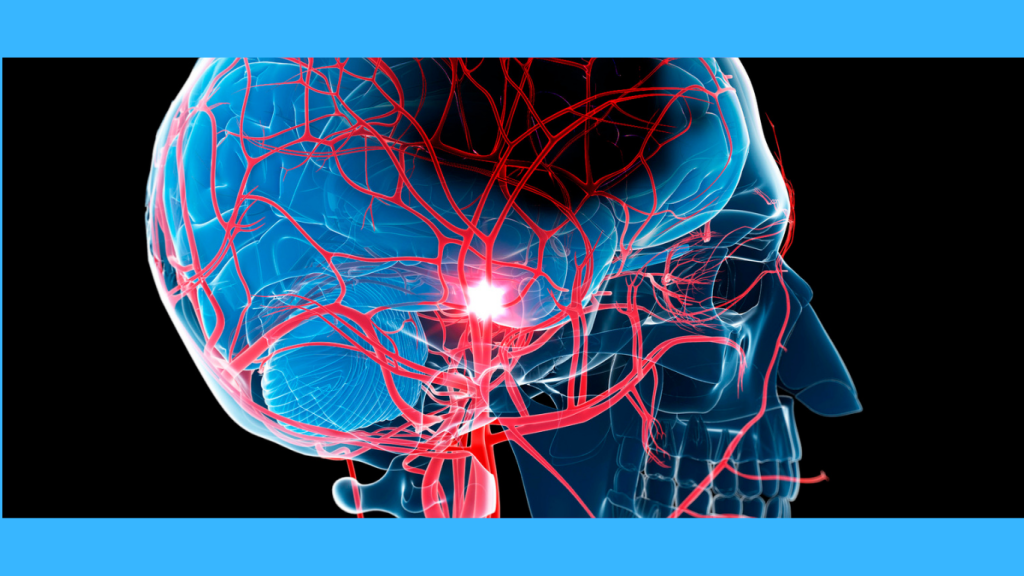
A stroke occurs when blood flow to part of the brain is interrupted or reduced, depriving brain tissue of oxygen and nutrients. Within minutes, brain cells begin to die — making stroke a medical emergency that requires immediate attention.
There are two main types of stroke:
- Ischemic stroke (≈ 85% of cases): Caused by a blood clot blocking an artery that supplies the brain.
- Hemorrhagic stroke: Caused by a weakened blood vessel that bursts, leading to bleeding inside or around the brain.
A related condition, called a transient ischemic attack (TIA) or “mini-stroke,” causes temporary symptoms and serves as a warning sign that a major stroke may occur soon.
⚠️ Recognizing the Warning Signs
When it comes to stroke, time = brain. Fast action saves lives and limits long-term damage.
Remember the acronym F.A.S.T. to recognize key signs:
- F – Face drooping: One side of the face feels numb or uneven when smiling.
- A – Arm weakness: Sudden weakness or numbness in one arm (or leg).
- S – Speech difficulty: Slurred or confused speech.
- T – Time to call 911: Get emergency help immediately — even if symptoms disappear.
Other possible symptoms include sudden vision problems, dizziness, loss of balance, or severe headache with no known cause.
💥 What Causes a Stroke?
Several factors can damage blood vessels or promote clot formation, increasing stroke risk. The most common causes include:
- High blood pressure (hypertension) – the leading risk factor.
- Atherosclerosis (plaque buildup) in arteries.
- Diabetes and high cholesterol.
- Smoking and excessive alcohol use.
- Obesity and lack of physical activity.
- Heart disease or irregular heartbeat (atrial fibrillation).
Some risk factors, such as age, family history, and genetics, can’t be changed — but many others are preventable through lifestyle and medical care.
🩺 Treatment and Recovery
Stroke treatment depends on its type and how quickly medical care begins.
- For ischemic stroke: Doctors may use clot-dissolving medication (tPA) or perform a mechanical thrombectomy to restore blood flow.
- For hemorrhagic stroke: Surgery may be needed to repair damaged blood vessels or relieve pressure.
After the acute phase, rehabilitation becomes essential to restore movement, speech, and independence. Recovery often includes:
- Physical therapy
- Occupational therapy
- Speech therapy
- Counseling and emotional support
🥦 Preventing Stroke: Protecting Your Brain and Heart
Prevention is the best defense. Many strokes can be avoided by maintaining healthy habits:
✅ Control blood pressure – monitor regularly and manage with diet or medication.
✅ Eat for heart health – focus on fruits, vegetables, whole grains, lean proteins, and healthy fats.
✅ Exercise regularly – even 30 minutes of brisk walking most days can help.
✅ Quit smoking – tobacco damages blood vessels and raises blood pressure.
✅ Avoid alcohol – excessive drinking increases stroke and heart risks.
✅ Manage diabetes and cholesterol – follow medical guidance to keep numbers in check.
✅ Know your numbers – track blood pressure, blood sugar, and lipid levels.
💬 Living After a Stroke
A stroke can change a person’s physical, emotional, and cognitive abilities, but recovery and adaptation are possible with support and therapy.
Family education, patience, and community rehabilitation services play a major role in helping survivors regain independence and confidence.
Every small victory — from speaking a full sentence to walking again — is a step toward rebuilding life after stroke.
💗 Key Takeaway
Stroke is a leading cause of disability and death worldwide, yet it is largely preventable and treatable when recognized early.
By learning the warning signs and taking steps to control blood pressure, diabetes, and lifestyle risks, we can all help protect our most vital organ — the brain.
Reference:
World Health Organization (WHO). (2023). Stroke: Key facts and prevention strategies. Link