Medical imaging and radiation-based treatments save millions of lives every year — but they also come with risks. This week, global health leaders gathered in Vienna for a major international conference aimed at making medical radiation safer for patients, healthcare workers, and the public.
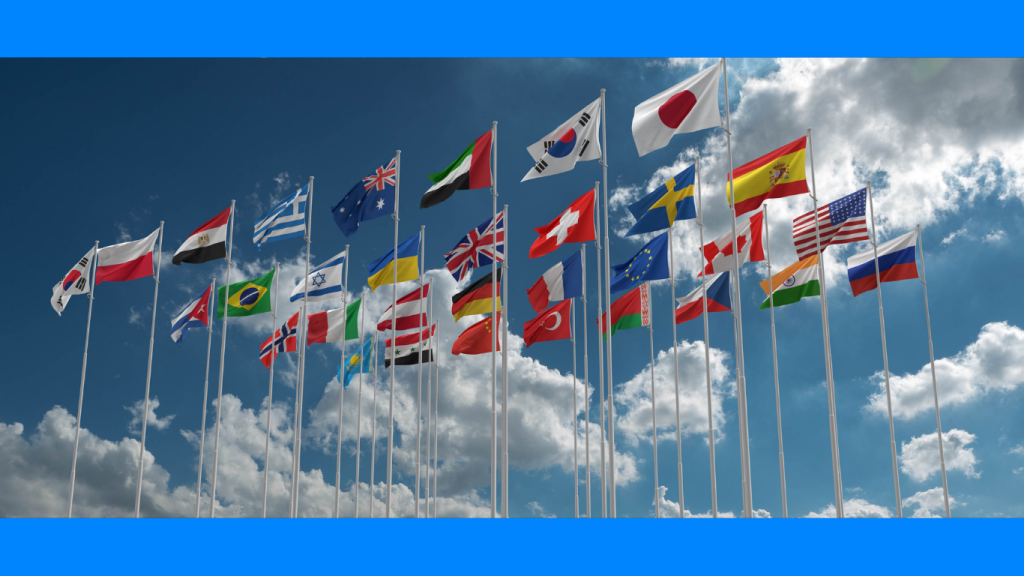
The International Conference on Radiation Protection in Medicine: X Ray Vision, hosted by the IAEA and co-sponsored by WHO and PAHO, brought together experts from more than 120 countries to review progress, discuss challenges, and shape the future of radiation safety worldwide.
Why This Matters
Every year:
- 4.2 billion medical imaging procedures use radiation
- 6.2 million people receive radiation therapy for cancer and other diseases
With rising demand and rapidly advancing technology, strong radiation protection standards are more important than ever.
New Technology = New Challenges
According to IAEA Director General Rafael Mariano Grossi, breakthroughs like:
- advanced imaging systems
- new radiopharmaceuticals
- digital tools
- artificial intelligence
are transforming medicine. But these innovations also change how, when, and how much radiation patients and professionals are exposed to — meaning safety systems must evolve just as fast.
Building on a Decade of Work
This conference marks ten years since the Bonn Call for Action (2012) — a global initiative to improve radiation safety. Over the past decade, international organizations and governments have worked to:
- reduce unnecessary radiation exposure
- optimize dose levels for safety
- improve training and education
- strengthen regulatory systems
The Vienna conference aims to set the next 10-year roadmap for safer radiation use in medicine.
Key Topics Covered
The event includes roundtables and expert sessions on:
- Appropriate use of radiation — ensuring procedures are truly needed
- Protecting patients and healthcare workers during diagnostics and therapy
- Role of AI in radiation protection, such as real-time monitoring and predictive analytics
- Learning from accidental or unintended exposures
- Strengthening safety culture across hospitals and clinics
WHO emphasized that while technology like AI can enhance safety, it must be accessible globally — not just in high-income countries.
Regional Needs
PAHO highlighted that demand for radiation-based medical services continues to grow across the Americas. To keep people safe, regions need:
- strong quality-assurance programs
- well-trained medical professionals
- systems that minimize radiation risks while ensuring effective care
IAEA’s Role
The IAEA leads global efforts to set and promote radiation protection standards. It helps countries apply these standards in:
- diagnostic imaging
- nuclear medicine
- radiotherapy
Their work ensures safer patient care, fewer accidents, and reliable systems that balance medical benefit with minimum risk.
Bottom Line
Radiation in medicine is essential — but it must be used wisely. The Vienna conference brings the world together to ensure patients everywhere receive safe, effective, and equitable care as technology evolves. This work will shape global radiation protection for the next decade.
References
- International Atomic Energy Agency (IAEA). International Conference on Radiation Protection in Medicine: X Ray Vision.
- World Health Organization (WHO) update: 8 December 2025.